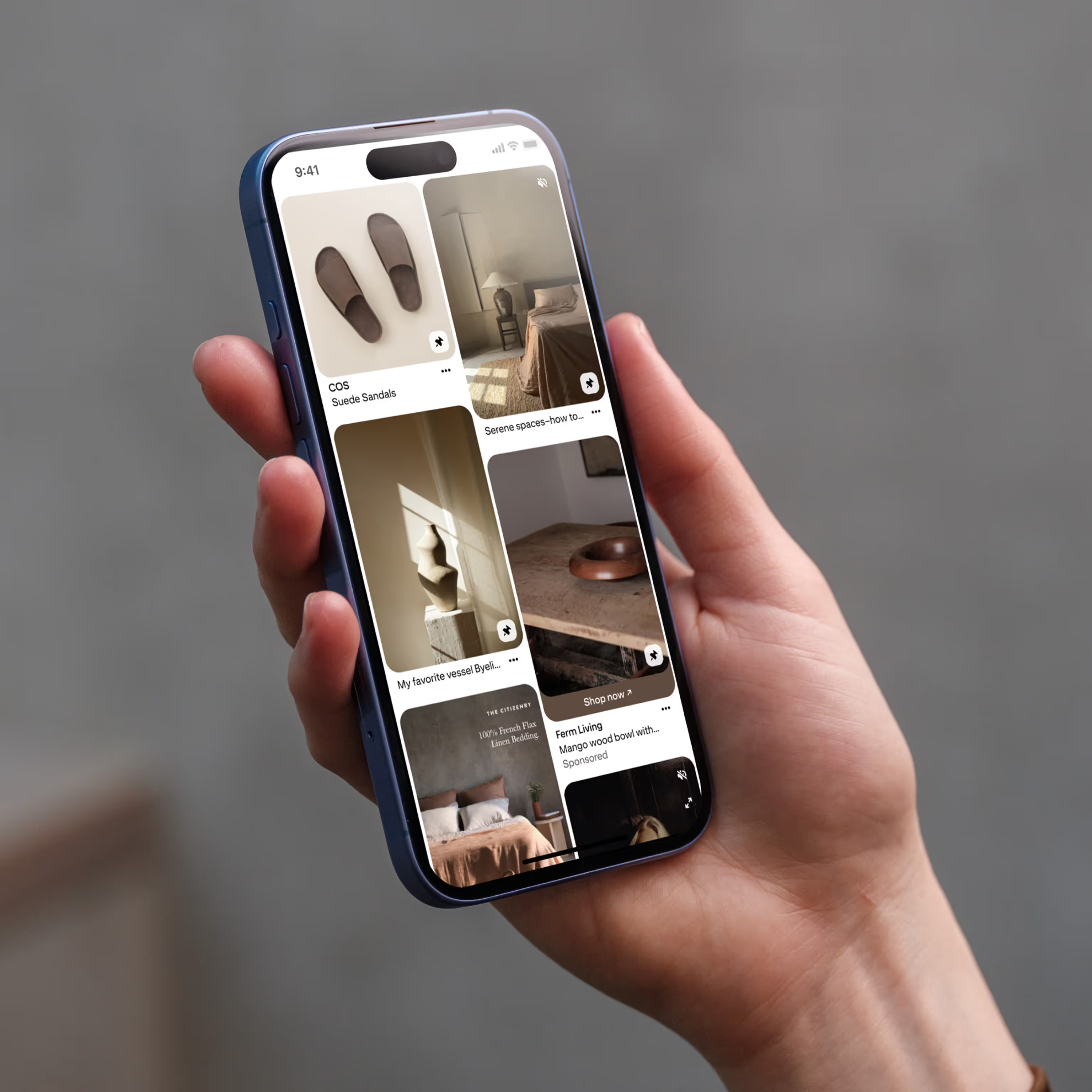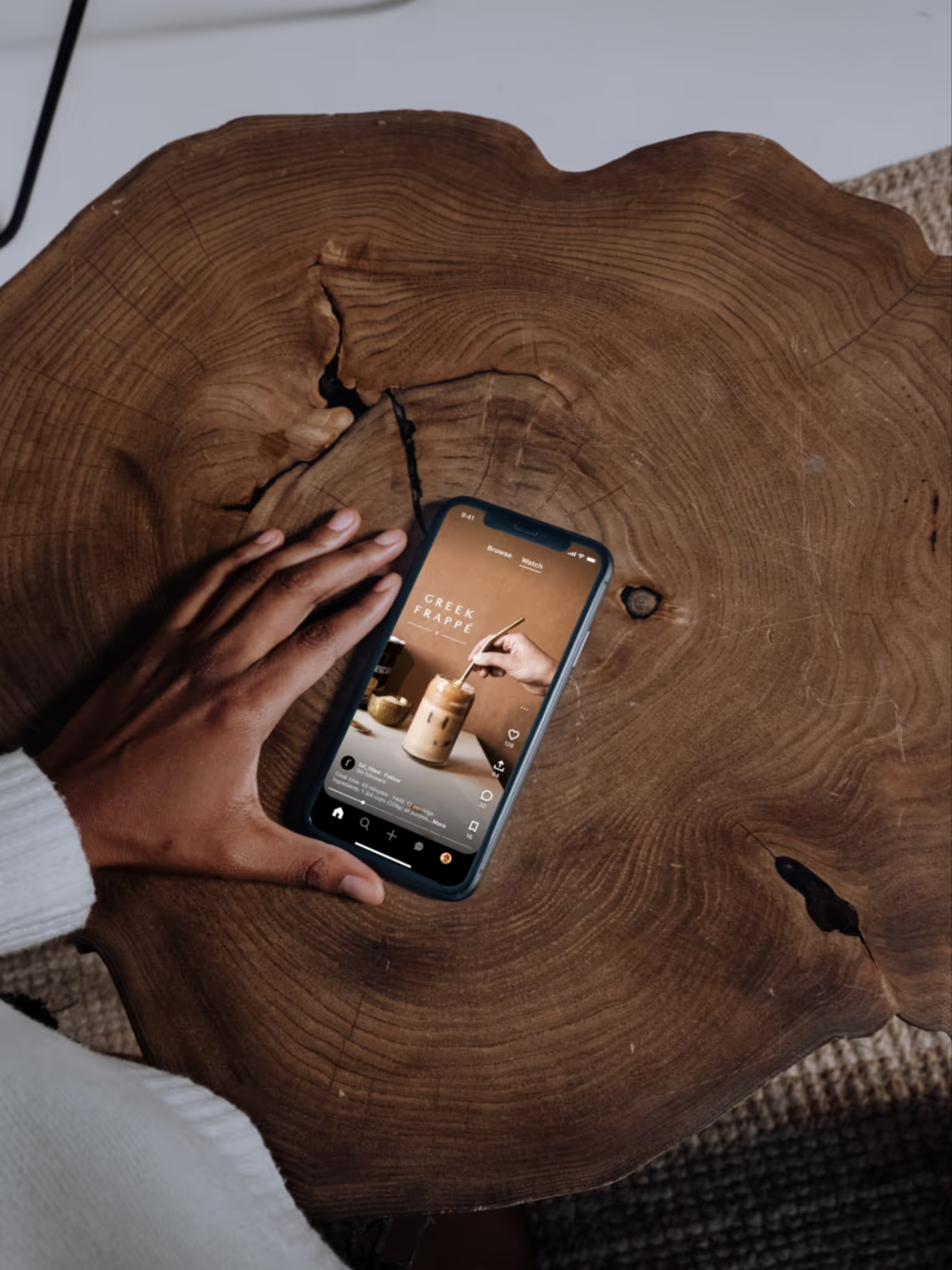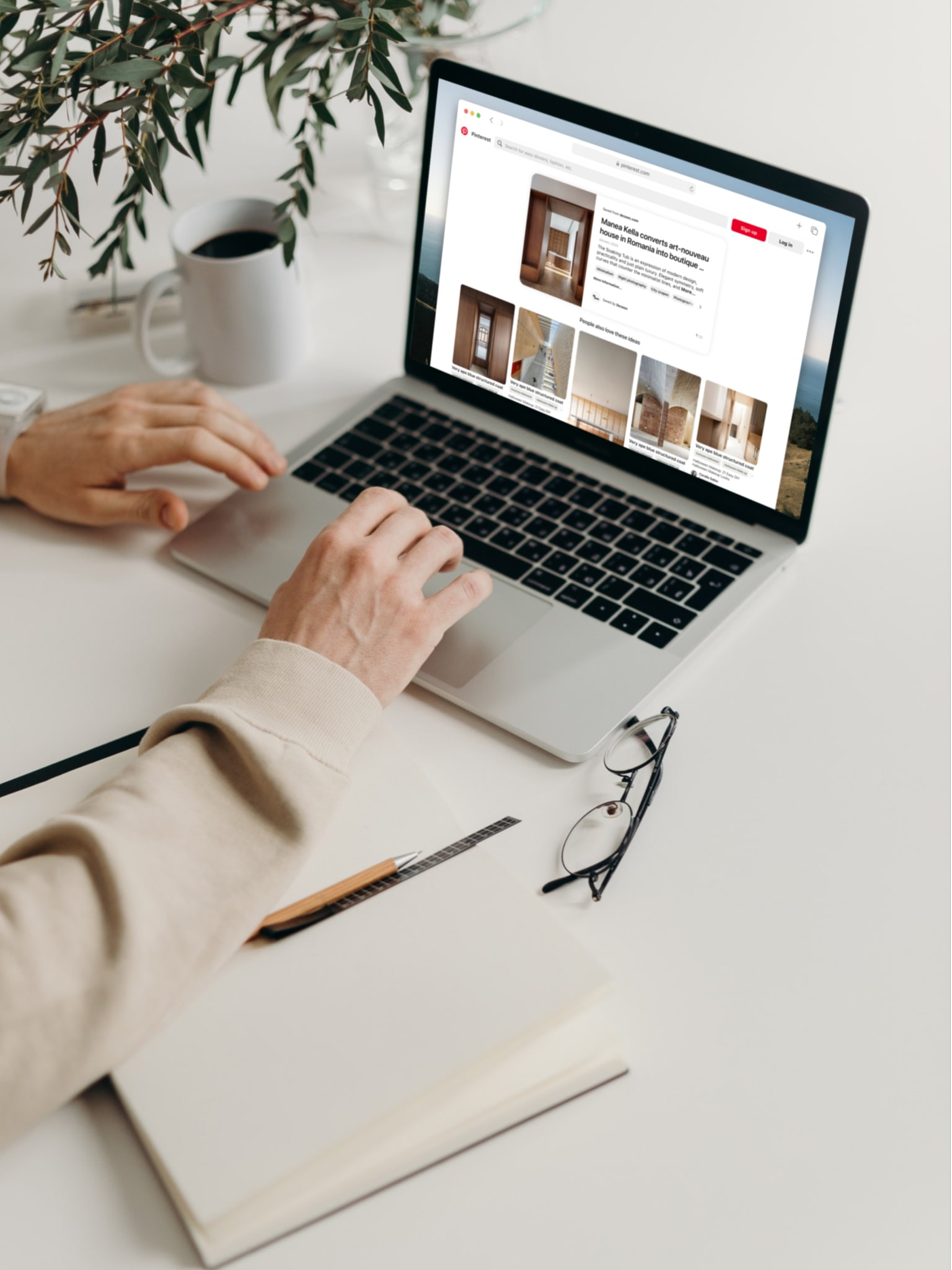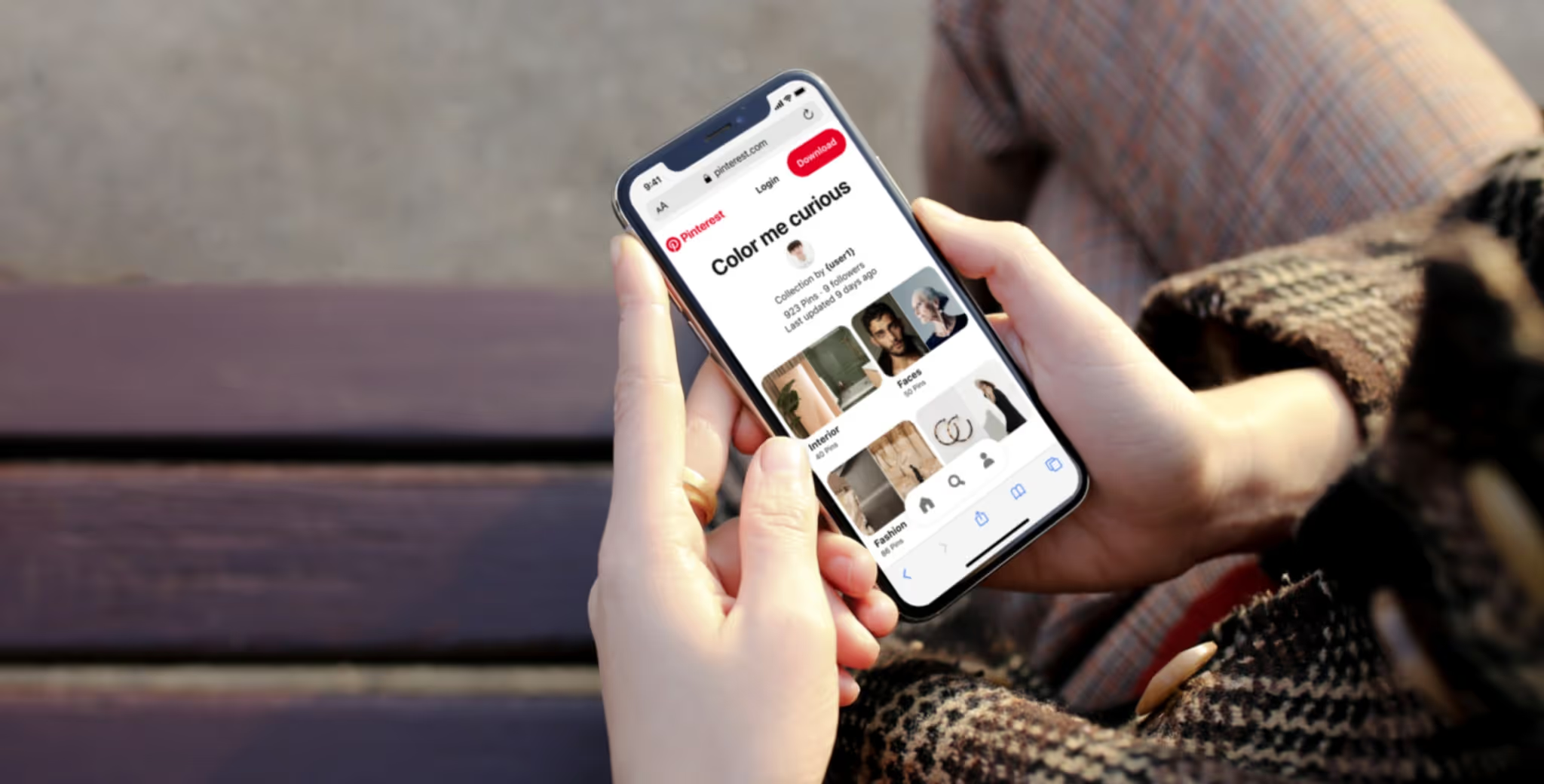
Pinterest’s web landing pages were fragmented into three different apps: logged-in desktop , logged-out desktop and mobile. While this allowed for rapid growth in the past, it led to increased issues in usability in the long term, with each new feature added to the product needing to be bespoke for each surface. This resulted in fragmented user interfaces and feature sets between the three entry points, creating friction in usability and comprehension.
The result was an increased demand in engineering resources and an overall decrease in traffic with Google’s mobile-first indexing, impacting the business.
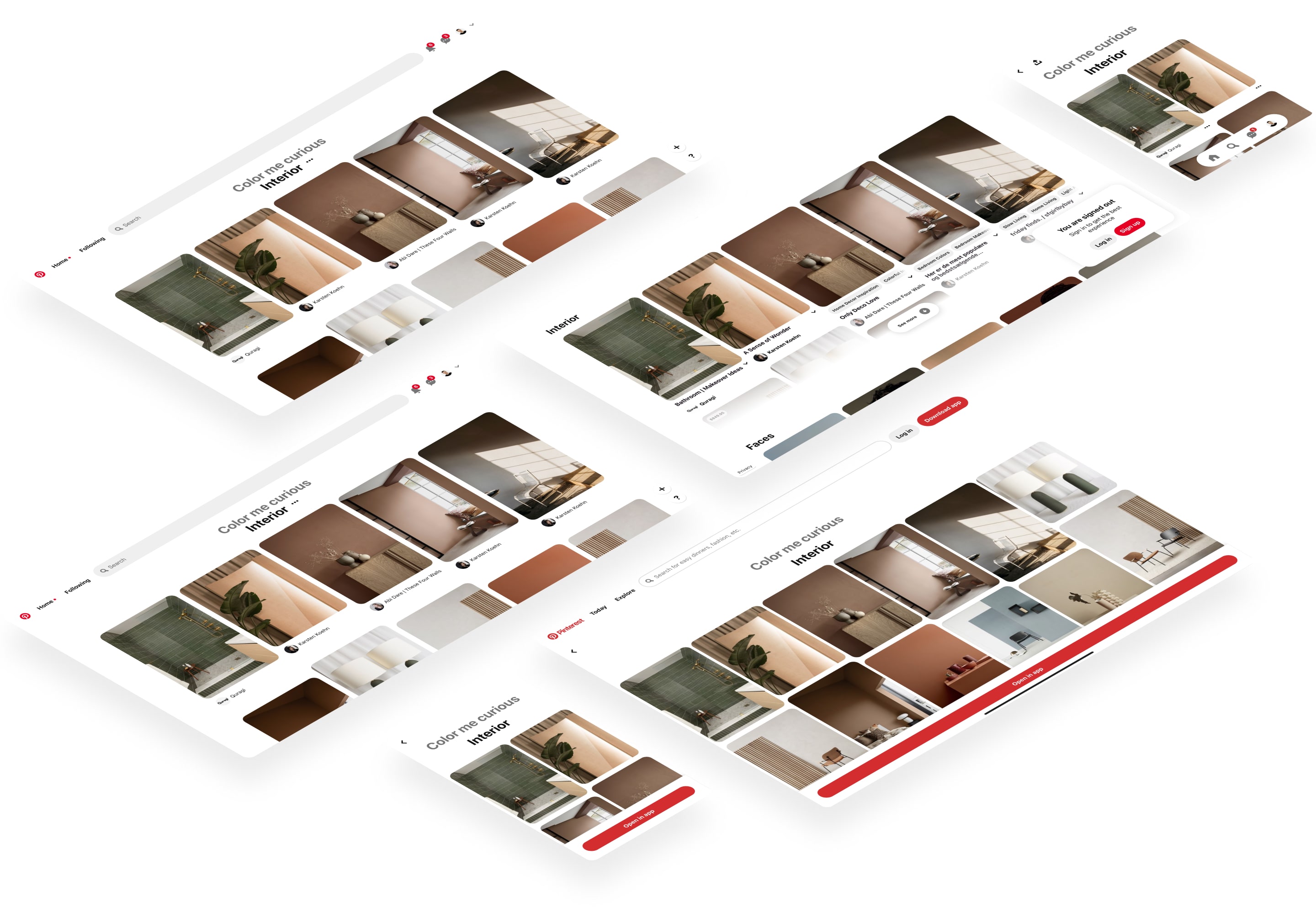
In order to unify all three platforms, the team conducted an extensive feature and component audit of the most frequently used pages (Pins, boards and profile pages) across all devices, from mobile to tablet and desktop.
Following the audit, we reevaluated each feature and analysed where we could achieve parity by working closely with the respective stakeholders of each feature and surface.
Each page and its individual components received a fully responsive design solution and the code base was brought up to parity so that engineering could implement the correct system components instead of manually created ones, helping us address more edge cases as needed.

As a result, we were able to significantly drive metrics for our weekly active user base. The new streamlined design improved page-load performance by 8%, ensuring higher search engine rankings in the long term.